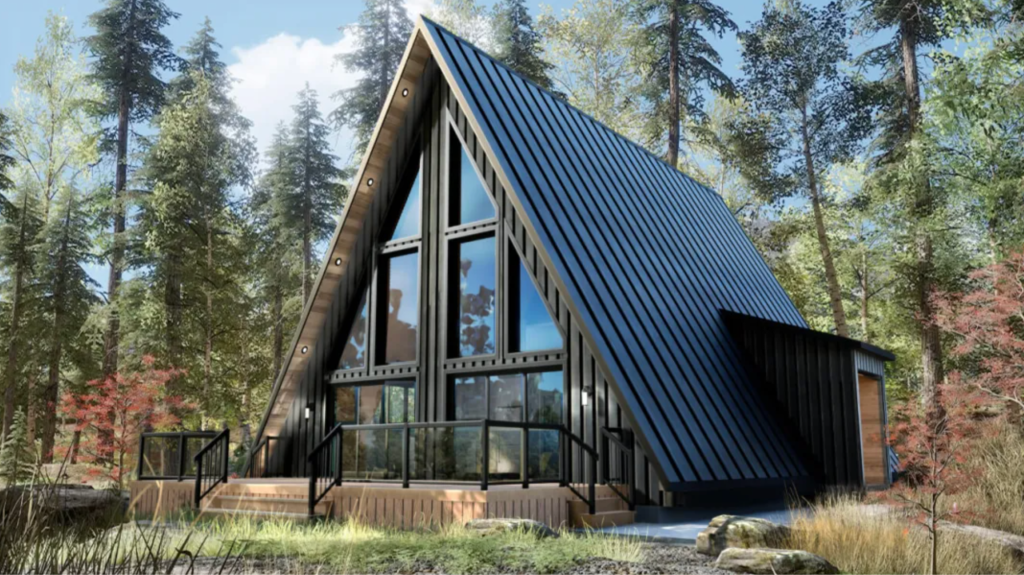
Constructing a customised residence is looked at as one of the most significant success in your life. By designing a space that meets their lifestyle, desires and long-term needs, it is an opportunity for home owners; it enables them to avoid adjusting to an existing structure. Simultaneously, many people underestimate how thorough the process can be—it’s not only the initial planning conversation to move-in day.
In Northern Ontario and indeed in places like North Bay where you may encounter property features not conducive for easy construction, custom home begins to take on more variables that would affect the planning and completion of a project. That process is influenced by everything from weather conditions to how the land should be prepared and when it can—and how long it needs—Seasonally, as well as local building regulations. Although each project of a custom home builder North Bay is unique, the pathway from concept to completion remains largely unchanged for most custom homes.
Understanding What “Custom Home” Really Means
A custom home is different from a normal production home because it designs itself around the specific needs of the old owner instead of working upon an established template. Others build custom homes due to their desire for certain features or layouts that they are unable to find in pre-existing homes.
For one family, a custom home might target expansive common areas and added bedrooms. This, on the other hand, could mean a more stripped-back design with adaptive elements for all-day comfort. Natural light, energy efficiency and outdoor living spaces are important for many homeowners — especially in areas such as North Bay, which is surrounded by lakes, forests and open landscapes.
This process is usually far more decision making than just purchasing an already built home. Homeowners engage with the process during choices surrounding layout, materials, finishes, systems, and when the construction is to occur.
Starting With the Budget and Planning Stage
Before any design work begins, one of the first steps is establishing a realistic budget. Many people initially focus only on the cost of the house itself, but a custom build includes several additional expenses beyond construction materials and labour.
Land preparation, permits, utility connections, excavation work, driveways, landscaping, and septic systems can all affect the final budget. In Northern Ontario, weather and terrain conditions may also influence construction costs depending on the property location.
Planning discussions during this stage usually focus on both financial priorities and lifestyle needs. Homeowners often create lists of essential features versus optional upgrades to help guide decisions later in the process. This early planning phase can save time and reduce costly changes once construction begins.
Choosing the Right Piece of Land
The property itself plays a major role in custom home construction. A design that works perfectly on one lot may not work at all on another because of slope, soil conditions, drainage, access, or municipal regulations.
In North Bay, properties can range from suburban residential lots to rural and waterfront land. Some sites may require extensive clearing or grading before construction can begin. Others may present challenges related to rock excavation, tree removal, or limited access for construction equipment.
A custom home builder North Bay, surveyors, and engineers often assess the property before finalising plans. They examine zoning rules, setback requirements, utility availability, and environmental considerations that could affect the project. These evaluations help determine what type of home can realistically be built on the site.
Designing the Home
Once the property and budget are confirmed, the design stage begins. This phase usually includes floor plans, exterior concepts, room layouts, and discussions about functionality.
The design process is not only about appearance. It also focuses on how the home will function during daily life. Kitchen placement, storage areas, mudrooms, traffic flow, and room sizes all become important considerations.
In colder regions like Northern Ontario, homeowners also pay close attention to insulation, heating systems, window placement, and energy efficiency. Long winters make these decisions especially important for both comfort and operating costs.
Most homeowners revise their plans multiple times before finalising the design. Small adjustments are common as people begin visualizing how the home will actually feel once built.
Permits and Pre-Construction Work
Before physical construction begins, several approvals are typically required. Building permits, engineering reviews, and inspections help ensure the project meets local regulations and safety standards.
Depending on the location of the property, additional approvals may be needed for septic systems, conservation requirements, or shoreline regulations. This part of the process can take time, especially during busy construction seasons.
At the same time, contractors begin coordinating schedules, ordering materials, and organising subcontractors. Construction timelines depend heavily on planning because delays in materials or inspections can affect multiple stages of the project.
Although homeowners may feel eager to see visible progress, much of the groundwork for a successful build happens during this preparation phase.
Site Preparation and Foundation Construction
The first major stage of physical construction usually involves preparing the land. Excavation crews clear the site, level the ground where needed, and prepare the area for foundation work.
Foundation construction is one of the most important structural phases of the project. Whether the home includes a basement, crawl space, or slab foundation, this stage affects the long-term stability of the structure.
In North Bay, weather conditions can significantly influence construction schedules. Heavy rain, frost, or freezing temperatures may delay excavation and concrete work. Builders often plan foundation timelines carefully to avoid weather-related complications.
Once the foundation passes inspection, framing work can begin.
Framing the Structure
Framing is often the stage where homeowners feel the most excitement because the shape of the home finally becomes visible. Walls, rooflines, doorways, and room divisions begin taking form, allowing people to physically walk through the layout for the first time.
During this stage, electrical, plumbing, and HVAC systems are also installed before insulation and drywall are completed. This work requires careful coordination because multiple trades are working within the structure at the same time.
Many homeowners notice small design details differently once the framing is complete. Occasionally, minor adjustments are made at this point, although major structural changes can become expensive after construction progresses further.
Interior Finishing and Final Work
Once insulation and drywall are finished, the project moves into the interior finishing stage. Flooring, cabinetry, paint, trim, countertops, lighting, and fixtures are installed throughout the home.
This stage often feels slower because much of the work focuses on details rather than major structural progress. However, it is also where the personality of the home becomes most visible.
Final inspections continue during this phase to ensure electrical systems, plumbing, heating, and structural components meet building standards. Contractors also complete finishing touch-ups before the final walkthrough.
Homeowners usually review the completed spaces carefully to identify any adjustments or corrections needed before occupancy.
Moving Into the Finished Home
The final handover marks the end of a long process that often takes many months from initial planning to completion. Before moving in, homeowners typically receive information about warranties, maintenance, and the operation of major systems within the house.
Even after construction is complete, homes continue adjusting during the first year. Wood materials expand and contract with seasonal humidity changes, landscaping settles, and homeowners learn how the space functions during everyday life.
Building a custom home requires patience, planning, and flexibility throughout every stage. While the process can feel complex at times, understanding each phase helps homeowners prepare for the decisions, timelines, and expectations involved in creating a home from the ground up.
