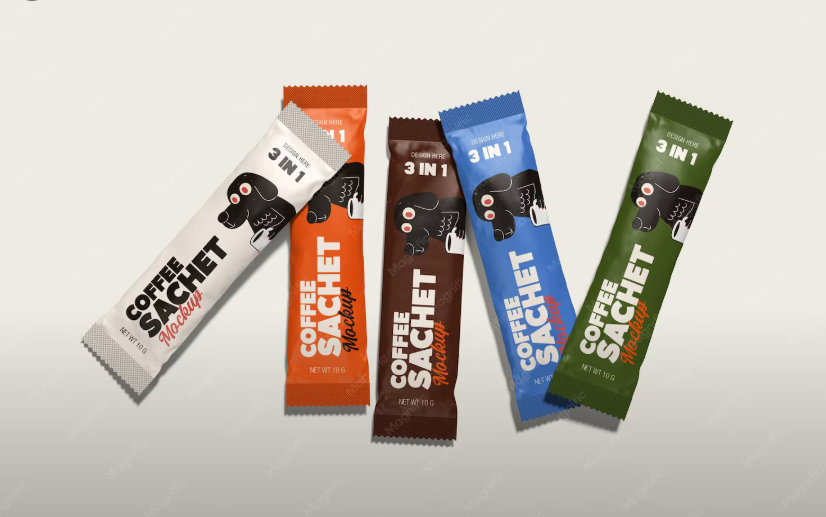
The coffee and beverage market is in the midst of a premiumization wave. Consumers are increasingly discerning about what they drink, where it comes from, and how it is prepared. This shift has created both opportunities and challenges for brands — opportunities to command higher prices for quality products, and challenges in communicating quality and convenience in a crowded, competitive market.
Packaging plays a central role in both dimensions of this challenge. And for single-serve powder and concentrate products, stick pack packaging has emerged as the format that best captures the premium positioning and functional convenience that modern beverage consumers expect.
The Single-Serve Beverage Revolution
Single-serve has become the dominant trend in packaged beverages. From premium coffee sachets to functional drink mixes, consumers want the right amount for one cup or bottle, with minimal preparation and no waste. The stick pack format delivers all of these attributes in a slim, elegant format that communicates both quality and convenience.
For coffee brands in particular, the stick pack has become a standard format for instant and specialty coffee products. Premium instant coffee brands have used the format to signal a step up from conventional sachet or jar formats, leveraging the precision and visual appeal of the stick pack to support a higher price point. Specialty cold brew concentrates, matcha powders, and adaptogen drink mixes have followed the same logic.
The format works equally well for functional and performance beverages. Electrolyte mixes, collagen drinks, and nootropic blends all benefit from the precise dosing and convenient dispensing that stick packs provide. For consumers who mix their supplements into a water bottle at the gym or on a hike, the stick pack is the format that fits their lifestyle.
Material Considerations for Beverage Products
The material selection for stick packs used in coffee and beverage applications deserves careful attention. Coffee, in particular, is highly sensitive to oxygen exposure, which causes the aromatic compounds that give specialty coffee its character to degrade rapidly. Barrier performance is therefore a primary selection criterion.
High-barrier foil laminates provide the most protection against oxygen permeation and are standard for premium coffee stick packs intended for longer shelf lives. For shorter shelf life products or functional beverages where barrier requirements are less demanding, metallized film structures offer a good balance of barrier performance and cost efficiency.
Moisture is another concern for hygroscopic powders like coffee, protein mixes, and electrolyte blends. These products absorb moisture from the air, which can cause clumping, degradation of texture, and, in some cases, a loss of potency. The moisture vapor transmission rate of the selected film structure must be matched to the specific product and the target shelf life.
Brands that have invested in quality ingredients deserve packaging materials that protect that investment all the way to the consumer’s cup. Stick pack packaging manufactured from the right barrier materials ensures that the quality locked in during production is still present when the consumer opens the pack.
Differentiation Through Design
In a category as visually competitive as premium beverages, design differentiation is a real commercial advantage. Stick packs offer a distinctive format that immediately signals single-serve precision and premium intent — attributes that resonate strongly in coffee and functional beverage categories.
The narrow print surface of a stick pack rewards disciplined, high-impact design. Brand name and flavor or variant identity must be immediately legible, while the overall visual presentation communicates quality. Many premium coffee and beverage brands use foil laminate surfaces to create a sleek, reflective finish that stands out on shelf and photographs well for online retail.
Boxed multipacks — typically 10 to 20 stick packs in a printed carton — are the standard retail format for beverage stick packs, and the carton itself provides an additional brand canvas. The combination of the secondary carton and the individual stick pack creates a layered brand presentation that reinforces quality at every consumer touchpoint.
Conclusion
The shift to stick pack packaging in coffee and beverage categories reflects a deeper consumer trend toward precision, convenience, and a premium experience. For brands with quality products and design ambitions to match, the format offers a compelling combination of functional performance, visual differentiation, and retail practicality that is difficult to achieve through any other flexible packaging format.
