Modern home design often balances aesthetics and functionality, and Terrazzo flooring offers a perfect blend of both. Known for its durability and diverse design potential, Terrazzo has become a staple in contemporary interior design. Whether renovating a kitchen or updating a living room, this flooring option provides an elegant touch that complements various architectural styles. This guide will explore the timeless appeal of Terrazzo, its materials and techniques, the customization options available, and how to maintain its beauty over time.
Terrazzo Flooring: A Timeless Choice for Modern Interiors
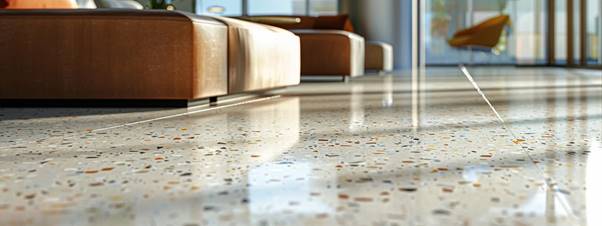
Terrazzo flooring, originally a Venetian innovation, is experiencing a resurgence in modern interiors due to its sustainability and versatility. Achieving LEED Certification has become a priority for many homeowners, and Terrazzo contributes to this goal by using recycled materials. The flooring consists of chips of marble, quartz, granite, or glass set in cement or epoxy, offering a stunning array of colors and textures. Its seamless finish not only enhances aesthetic appeal but also simplifies cleaning and maintenance, making Terrazzo a practical choice for high-traffic areas.
In addition to its eco-friendly attributes, Terrazzo is renowned for its durability. With proper care, it can last for decades without losing its charm. This longevity makes it a cost-effective investment for homeowners looking to update their spaces with a timeless material that stands the test of time. The use of recycled content in Terrazzo flooring aligns with sustainable building practices, further enhancing its appeal in modern home design.
Moreover, Terrazzo’s inherent flexibility allows it to blend seamlessly with other design elements, such as FF&E (Furniture, Fixtures, and Equipment) and custom Millwork. By incorporating Terrazzo into the overall design plan, homeowners can create a cohesive and harmonious environment.
Key Materials and Techniques in Terrazzo Flooring
The installation of Terrazzo flooring involves careful consideration of materials and techniques to achieve the desired aesthetic and performance characteristics. The choice of binder—cement or epoxy—plays a critical role in determining the final appearance and durability of the floor. Epoxy Terrazzo, for instance, is lighter and offers a broader range of color options, making it ideal for intricate designs and patterns.
Subflooring preparation is another crucial step in the installation process. A well-prepared subfloor ensures the longevity and stability of the Terrazzo surface. This involves leveling the base and applying a moisture barrier to prevent future issues such as cracking or discoloration. Proper subflooring is essential to maintain the integrity of the Terrazzo finish.
Recent advancements in CAD technology allow designers to create precise layouts and patterns, ensuring that every detail aligns with the overall design brief. By leveraging these tools, homeowners can visualize their Terrazzo floor before installation, making informed decisions about color schemes and pattern choices.
Design Versatility: Customizing Your Terrazzo Experience
One of the standout features of Terrazzo flooring is its design versatility. Homeowners can customize their floors to reflect personal style and complement their home’s interior. This customization includes selecting aggregate materials, colors, and patterns that align with the principles of Color Theory, a crucial aspect in creating visually appealing spaces.
The flexibility of Terrazzo extends to its ability to integrate with other elements of a room, such as Molding Profiles and Acoustical Treatment. By coordinating these elements, homeowners can achieve a holistic design that enhances both form and function. For example, using contrasting Molding Profiles can create a striking visual effect, while Acoustical Treatment can improve the overall sound quality within a room.
Terrazzo’s adaptability also makes it suitable for various interior applications, from expansive open-plan kitchens to intimate bathroom spaces. By working closely with a design professional, homeowners can create a Lighting Plan that highlights the unique features of their Terrazzo flooring, further enhancing the ambiance of the space.
Maintenance and Care for Long-Lasting Terrazzo Elegance
Proper maintenance is key to preserving the beauty and functionality of Terrazzo flooring. Regular cleaning with neutral pH cleaners helps maintain its shine and prevents damage from harsh chemicals. Additionally, sealing the surface periodically protects it from stains and scratches, ensuring it remains a focal point of your interior design for years to come.
To prolong the life of your Terrazzo floors, it’s important to address any spills or stains promptly. Using protective pads under furniture can prevent surface scratches and maintain the floor’s pristine condition. Furthermore, routine inspections and maintenance by professionals can identify potential issues early, allowing for timely repairs.
For those considering Terrazzo for high-traffic areas, such as entryways or kitchens, understanding the demands of these environments is crucial. Implementing a Finish Schedule can help in planning regular maintenance, ensuring the floor retains its elegance and functionality.
Conclusion
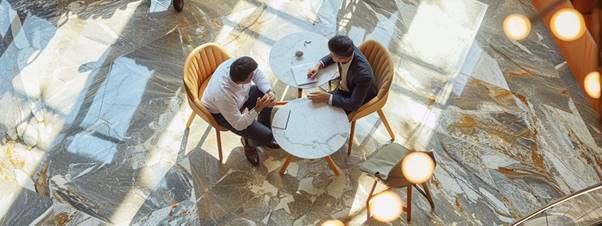
Terrazzo flooring offers a unique combination of beauty, durability, and sustainability, making it an excellent choice for modern homes. Its timeless appeal and adaptability to various design styles make it an investment that enhances both the aesthetic and functional value of your interior spaces. By understanding the materials, techniques, and maintenance required, homeowners can enjoy the elegance of Terrazzo for years to come. Embrace the versatility of Terrazzo and transform your home into a modern masterpiece.
