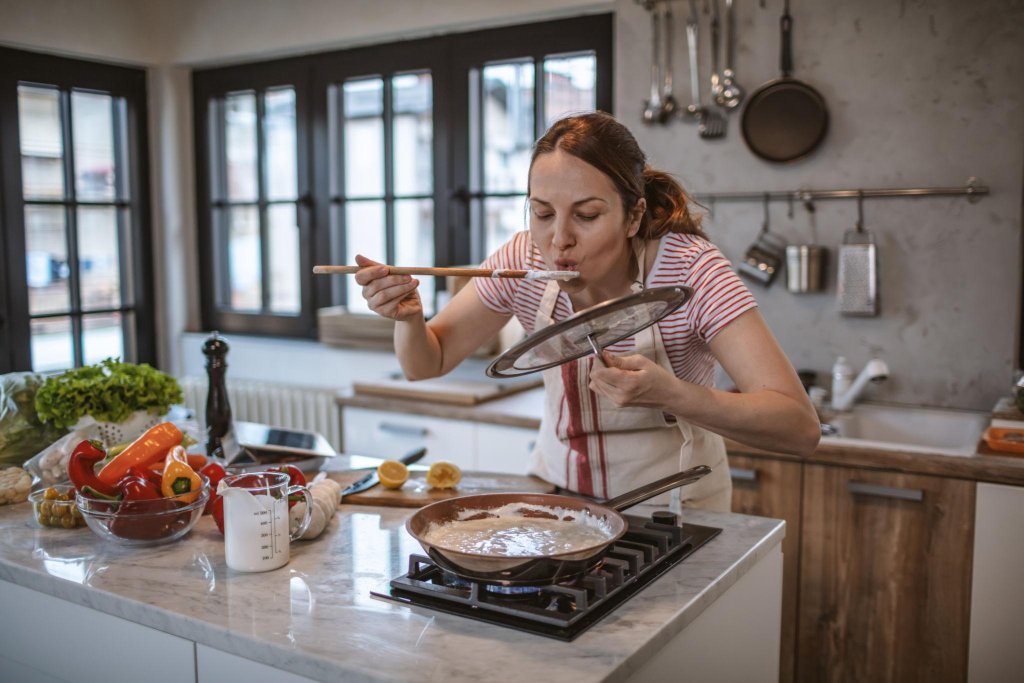
Healthy eating begins long before a meal reaches the table. While selecting nutritious ingredients is important, understanding how food changes during preparation is equally valuable. Many people focus on recipes and measurements but overlook the visual and physical signals that ingredients provide throughout the cooking process. Learning to recognize these changes can help improve meal quality, support food safety, and build confidence in the kitchen.
Home cooking is often more successful when people develop a deeper awareness of their ingredients. Different foods react uniquely to heat, moisture, and cooking methods. Paying attention to these reactions helps create meals that are not only healthier but also more enjoyable. This awareness allows cooks to adapt when ingredients differ slightly from recipe expectations.
Developing observation skills can also reduce common cooking mistakes. Rather than depending entirely on timers, experienced cooks learn to identify signs that food is progressing properly. They notice changes in appearance, texture, and aroma that indicate when ingredients are approaching their ideal state. These habits create greater consistency and help prevent disappointing results.
For many home cooks, learning how to cook seafood provides an excellent opportunity to strengthen these kitchen instincts. Because seafood responds quickly to heat, it encourages greater attention to detail throughout the cooking process. By carefully observing changes in color, texture, aroma, and moisture, cooks become more confident in recognizing when food is properly prepared rather than relying solely on timers. Over time, these observational skills can be applied to a wide range of ingredients, including vegetables, poultry, and other proteins, leading to more consistent and flavorful meals.
Why Kitchen Awareness Matters
Awareness in the kitchen contributes to both nutrition and enjoyment. Foods that are cooked appropriately often retain better texture and flavor, making healthy meals more satisfying. When ingredients taste naturally appealing, there is often less need for heavy sauces, excessive salt, or unnecessary fats.
Kitchen awareness also promotes confidence. Instead of feeling restricted by exact instructions, cooks learn to trust their observations and make informed decisions. This flexibility becomes especially useful when working with seasonal produce, unfamiliar ingredients, or varying portion sizes.
Another benefit is reduced waste. Overcooked foods are more likely to be discarded, while undercooked foods may require additional preparation. Recognizing signs of readiness helps avoid these issues and encourages more efficient use of ingredients.
Understanding How Ingredients Change
Every ingredient undergoes visible and physical changes during cooking. Vegetables soften as their cell structures break down. Grains absorb liquid and expand. Proteins become firmer as heat alters their structure. Recognizing these changes allows cooks to better understand what is happening inside the pan, oven, or grill.
Color is often one of the most noticeable indicators. Green vegetables may brighten before softening, while proteins frequently become more opaque as they cook. Moisture levels also shift throughout the process. Observing these transitions helps cooks determine whether food is approaching the desired outcome.
Texture provides additional clues. Ingredients that begin firm may soften, while others become slightly firmer with heat. Learning to evaluate texture through gentle testing can significantly improve cooking accuracy.
Building Skills Through Repetition
Like any practical skill, cooking improves with experience. Repeating techniques and preparing similar ingredients multiple times allows cooks to identify patterns. Gradually, they become better at recognizing subtle changes and responding appropriately.
Keeping simple notes can accelerate this learning process. Recording cooking times, temperatures, and results provides valuable feedback for future meals. Over time, cooks develop a personal understanding of how specific ingredients behave under different conditions.
This approach encourages active learning rather than passive recipe following. Instead of focusing solely on instructions, cooks become engaged observers who understand why certain techniques work.
Balancing Tools and Observation
Modern kitchen tools offer valuable support, particularly for beginners. Food thermometers, timers, and digital scales can improve consistency and accuracy. However, these tools are most effective when used alongside direct observation.
Relying exclusively on measurements may cause cooks to overlook important visual signals. Combining tools with awareness creates a more complete understanding of food preparation. The result is greater confidence and more reliable outcomes.
As experience grows, many home cooks naturally develop a balance between measurement and instinct. They use tools when necessary while remaining attentive to the ingredient itself.
Applying Lessons Across Different Foods
The skills gained from cooking seafood often transfer surprisingly well to other areas of cooking. Observing moisture retention, color development, and texture changes teaches lessons that apply to countless ingredients. Whether preparing vegetables, poultry, legumes, or whole grains, the ability to recognize visual and physical cues improves consistency and quality. Cooks who develop these habits become more adaptable because they understand the cooking process rather than simply memorizing instructions. This broader understanding supports creativity in the kitchen and makes it easier to prepare nutritious meals using a variety of ingredients. Over time, observation becomes second nature and contributes to better decisions during every stage of meal preparation.
Creating More Satisfying Healthy Meals
Healthy eating is easier to maintain when meals are enjoyable. Flavor, texture, and appearance all influence satisfaction. Proper preparation helps ingredients reach their full potential while preserving desirable qualities.
Attentive cooking encourages a stronger connection to food. People become more engaged in the preparation process and gain a greater appreciation for ingredient quality. This connection often leads to more thoughtful food choices and a greater willingness to prepare meals at home.
Making Every Meal a Learning Opportunity
Each cooking experience provides valuable information. By observing how ingredients respond to heat and preparation methods, home cooks gradually build a foundation of practical knowledge. Small observations accumulate over time, leading to noticeable improvements in confidence and skill.
Healthy cooking is not simply about following recipes accurately. It involves understanding ingredients, recognizing important cues, and making thoughtful adjustments when needed. These abilities help create meals that are nutritious, appealing, and consistently successful while encouraging lifelong growth in the kitchen.
