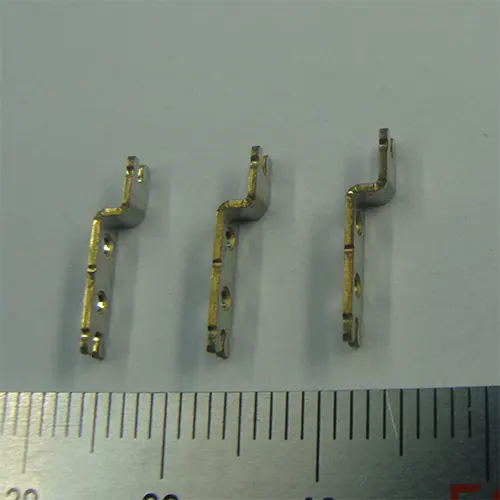
The journey of connecting plates from raw material to installed component involves a complex sequence of manufacturing processes, quality control measures, and installation techniques. Each stage of this journey presents opportunities for excellence—or for costly errors. Understanding the manufacturing options, quality requirements, and installation best practices for connecting plates is essential for engineers, fabricators, and installation professionals who want to ensure structural integrity and long-term performance.
This article explores the practical aspects of producing and using connecting plates, covering manufacturing methods, quality control measures, surface treatments, installation best practices, and common mistakes to avoid.
Manufacturing Processes for Connecting Plates
Connecting plates are produced using various manufacturing processes, depending on the material, thickness, complexity, and production volume.
Cutting Processes
The first step in manufacturing connecting plates is cutting the raw material to the required shape and size.
Laser Cutting. Laser cutting is one of the most versatile methods for producing connecting plates. A high-powered laser beam melts or vaporizes the material, creating precise cuts with minimal heat-affected zones. Laser cutting offers exceptional accuracy, clean edges, and the ability to cut complex geometries. It is ideal for connecting plates with intricate hole patterns or custom shapes.
Advantages: High precision, clean edges, minimal distortion, complex shapes.
Limitations: Limited thickness capability, higher equipment cost.
Waterjet Cutting. Waterjet cutting uses a high-pressure stream of water mixed with abrasive particles to cut through metal. This process generates no heat, eliminating thermal distortion in connecting plates. Waterjet cutting is suitable for a wide range of materials and thicknesses.
Advantages: No heat-affected zone, no thermal distortion, versatile across materials.
Limitations: Slower cutting speed, higher operating cost.
Plasma Cutting. Plasma cutting uses an ionized gas to cut through electrically conductive materials. This process is fast and cost-effective for thicker connecting plates in carbon steel.
Advantages: Fast cutting speed, cost-effective for thick materials.
Limitations: Rougher edge finish, larger heat-affected zone.
Punching. Punching uses a punch and die to create holes or cutouts in the material. This high-speed process is ideal for high-volume production of connecting plates with standard hole patterns.
Advantages: High speed, consistent results, cost-effective for high volumes.
Limitations: Limited to simple shapes, tooling cost for custom patterns.
Shearing. Shearing is a simple cutting method that uses a straight blade to cut along a straight line. It is suitable for cutting connecting plates to rough size before secondary operations.
Advantages: Simple, cost-effective, fast for straight cuts.
Limitations: Limited to straight lines, rougher edge finish.
Hole Making Processes
Holes in connecting plates accommodate bolts, rivets, or other fasteners. Several methods are used to create these holes.
CNC Drilling. CNC drilling provides accurate, repeatable hole placement in connecting plates. Computer-controlled drilling machines can create complex hole patterns with tight tolerances.
Advantages: High accuracy, repeatability, complex hole patterns.
Limitations: Slower than punching for simple patterns.
Punching. Punching is a fast method for creating holes in connecting plates for high-volume production. The punch creates a clean hole in a single stroke.
Advantages: High speed, consistent hole quality.
Limitations: Tooling cost, limited to thinner materials.
Laser Cutting for Holes. Laser cutting can create holes in connecting plates as part of the overall cutting process, eliminating a separate operation.
Advantages: No separate operation, precise hole placement.
Limitations: Slower than punching for high volumes.
EDM (Electrical Discharge Machining). EDM creates precise holes in hard or thick materials for connecting plates. This process uses electrical discharges to erode the material.
Advantages: Excellent precision, can machine hardened materials.
Limitations: Slow, expensive.
Forming and Bending Processes
While most connecting plates are flat, some applications require bends or angles.
Press Brake Forming. Press brake forming uses a punch and die to create bends in connecting plates. This process can create angles, channels, and other three-dimensional geometries.
Advantages: Versatile, cost-effective for low to medium volumes.
Limitations: Limited to straight bends, setup time.
Stamping. Stamping is a high-speed process for forming connecting plates in high-volume production. Progressive dies can perform multiple operations in a single press stroke.
Advantages: High speed, consistent results, complex geometries.
Limitations: High tooling cost, long lead time.
Installation Best Practices for Connecting Plates
Proper installation is essential for the performance of connecting plates. Even well-designed and manufactured connecting plates can fail if installed incorrectly.
Pre-Installation Inspection
Before installation, connecting plates should be inspected for damage or defects.
Visual Inspection. Inspect connecting plates for damage during shipping or handling.
Dimensional Verification. Verify that connecting plates match the installation requirements.
Hole Cleaning. Clean holes in connecting plates to remove debris that could interfere with fasteners.
Fastener Selection
Selecting the right fasteners is essential for secure connecting plates.
Bolt Grade. Select bolts with the appropriate strength grade for the connecting plates application.
Nut and Washer Selection. Select nuts and washers that match the bolt grade for connecting plates.
Coating Compatibility. Ensure that fastener coatings are compatible with the connecting plates material.
Proper Torque
Proper torque is essential for secure connecting plates.
Torque Specifications. Follow the manufacturer’s torque specifications for connecting plates.
Torque Wrench Calibration. Ensure torque wrenches are calibrated for accurate torque application on connecting plates.
Torque Sequence. Apply torque in the correct sequence to ensure even clamping force on connecting plates.
Alignment
Proper alignment is essential for connecting plates to function correctly.
Alignment Marks. Use alignment marks to position connecting plates correctly.
Temporary Fasteners. Use temporary fasteners to hold connecting plates in position while final fasteners are installed.
Progressive Tightening. Tighten fasteners progressively to avoid distortion of connecting plates.
Welding Considerations
When connecting plates are welded, additional considerations apply.
Weld Preparation. Prepare the weld area on connecting plates by cleaning and beveling as required.
Weld Procedure. Follow the approved weld procedure for connecting plates.
Inspection. Inspect welds on connecting plates using visual inspection or NDT methods.
Common Mistakes to Avoid
Avoiding common mistakes improves the performance of connecting plates.
Insufficient Edge Distance. Holes placed too close to the edge cause tearing of connecting plates. Always maintain minimum edge distance.
Incorrect Hole Size. Oversized or undersized holes compromise the strength of connecting plates. Use the correct hole size for the fastener.
Improper Torque. Under-torqued fasteners cause loose connecting plates. Over-torqued fasteners cause damage. Use the correct torque.
Inadequate Corrosion Protection. Unprotected connecting plates corrode over time, compromising strength. Apply appropriate corrosion protection.
Ignoring Alignment. Misaligned connecting plates cause uneven load distribution and premature failure. Ensure proper alignment.
Conclusion
The journey of connecting plates from raw material to installed component involves careful attention to manufacturing processes, quality control, and installation practices. By selecting the appropriate manufacturing methods, implementing rigorous quality control, applying suitable surface treatments, and following installation best practices, manufacturers and installers can ensure that connecting plates perform reliably and safely.
The key to success with connecting plates lies in attention to detail at every stage—from design through manufacturing, quality control, and installation. By avoiding common mistakes and following best practices, engineers and installers can create secure, long-lasting connections that stand the test of time.
