English learners and even fluent speakers often confuse women and woman.
They look similar, sound related, and come from the same root word. Yet using the wrong one can change the meaning of a sentence and make writing look unprofessional.
This is why people frequently search for women or woman they want a fast, clear answer.
The confusion usually happens because English uses different words for singular and plural forms, and the pronunciation changes too.
In daily life emails, job applications, social media posts, or news writing this small mistake appears again and again.
A sentence like She is a strong women sounds wrong, but many writers don’t know why.
This guide solves that problem step by step. You’ll get a quick answer, simple rules, real-life examples, and professional advice.
By the end, you will confidently know when to use woman and when to use women, no matter the audience or writing style.
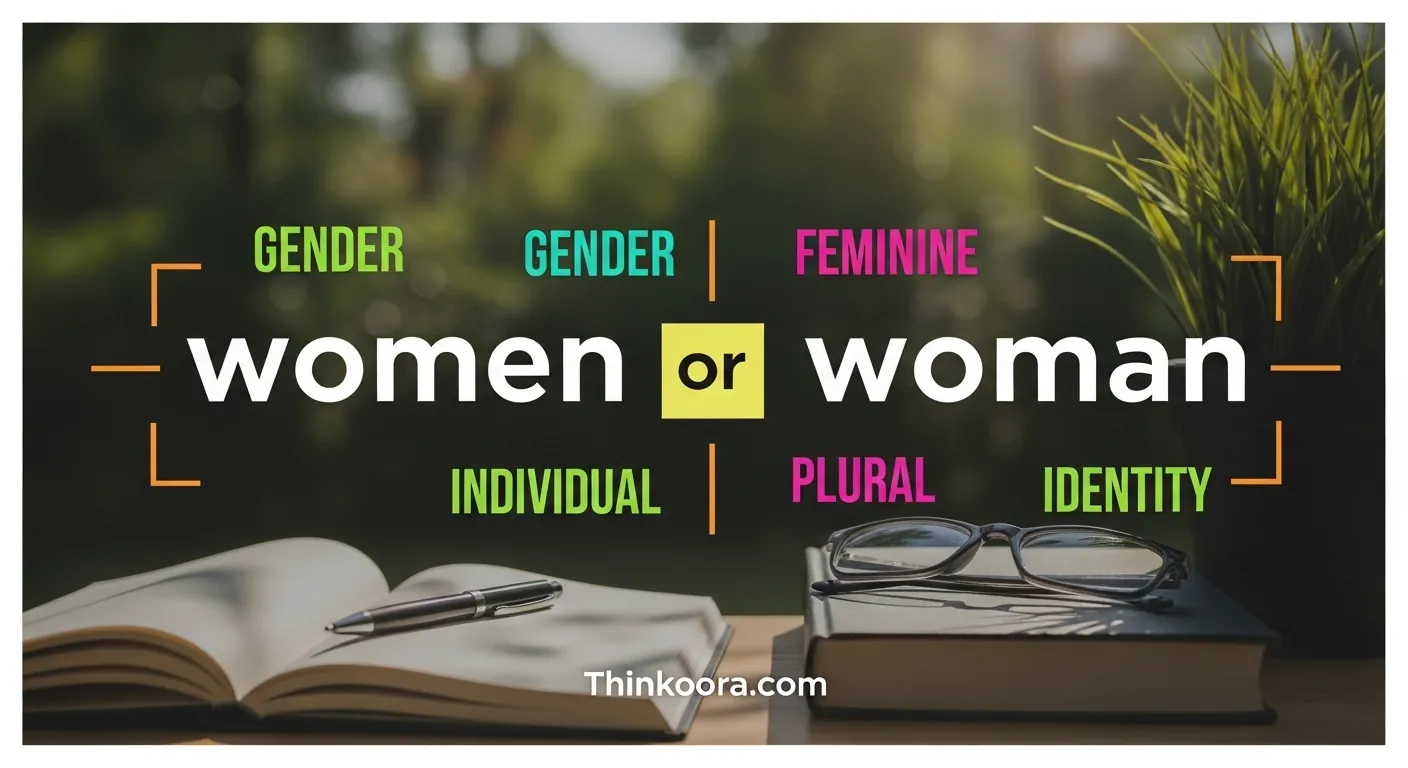
Women or Woman – Quick Answer
- Woman → Singular (one adult female)
- Example: She is a kind woman.
- Women → Plural (more than one adult female)
- Example: These women work in healthcare.
Easy rule:
- One person → woman
- Two or more people → women
The Origin of Woman or Women
- Woman comes from Old English wīfmann , meaning female person.
- Women is the plural form, developed as English evolved.
The spelling difference exists to show number, not gender. Over time, pronunciation changed, but spelling stayed close, which is why learners get confused. English kept woman for one and women for many to clearly separate meaning.
British English vs American English Spelling
There is no spelling difference between British and American English for woman and women. The rules are exactly the same in both systems.
| Word | British English Example | American English Example |
| Woman | She is a successful woman. | She is a successful woman. |
| Women | Women demand equal rights. | Women demand equal rights. |
Key point: Only the number changes, not the spelling style.
Which Spelling Should You Use?
- US audience: Use woman for one, women for many.
- UK/Commonwealth audience: Same rule applies.
- Global audience: Follow the same singular vs plural rule.
If you are unsure, count the people in the sentence. That alone gives you the right answer.
Common Mistakes with Women vs Woman
She is an intelligent women.
She is an intelligent woman.
A group of woman attended the meeting.
A group of women attended the meeting.
This women is my teacher.
This woman is my teacher.
Tip: If the sentence uses a, one, or this, use woman.
Women or Woman in Everyday Examples
- Emails: She is the only woman in the team.
- News: Women are leading social change worldwide.
- Social Media: Strong women inspire others.
- Formal Writing: The study focuses on the role of women in education.
Women or Woman – Google Trends & Usage Data
Google Trends shows that searches for women or woman are highest in:
- United States
- United Kingdom
- India
- Pakistan
- Canada
Searches increase during school exams, job application seasons, and writing tasks. This shows the confusion is global and ongoing.
Comparison Table
| Word | Number | Meaning | Example Sentence |
| Woman | Singular | One adult female | She is a brave woman. |
| Women | Plural | More than one | Women support each other. |
FAQs
- Is women singular or plural?
Plural only. - Can I use woman for more than one person?
No, that is incorrect. - Why do woman and women sound different?
English pronunciation changed over time. - Is the rule the same in British and American English?
Yes, completely the same. - What is the plural of woman?
Women. - Why is this mistake so common?
Because spelling is similar but pronunciation differs. - Does women ever refer to one person?
No, never.
Conclusion
Understanding the difference between woman and women is simple once you focus on number.
Woman refers to one adult female, while women refers to more than one.
There are no regional spelling differences, which makes the rule easy to apply worldwide.
Most mistakes happen because writers rely on sound instead of meaning. The best fix is to pause and count. If it’s one, use woman.
If it’s many, use women. This small habit improves clarity, professionalism, and confidence in writing.
Whether you are writing emails, articles, academic work, or social media posts, correct usage matters.
Mastering women or woman removes a common grammar error and instantly makes your English stronger and more accurate.

Hi, I’m Ethan Hawkesley. I love writing and exploring the English language. On Thinkoora.com, I share tips, insights, and explanations to help readers understand words and writing more easily.